

AIR CARGO
Brings you a wide range of airlines choice
Equine and Animal Transport
We offer safe and secure logistics for animals. Our expert team ensures the wellbeing of your animals during transportation, following IATA's Live Animals Regulations (LAR). Trust us for a worry-free journey for your precious cargo.
Dangerous and Hazardous Freight
We specialize in transporting dangerous and hazardous materials. Our knowledgeable experts ensure compliance with regulations, permits, and clearances. Our chartered aircraft are equipped for safe shipment of these goods.
Humanitarian Aid Freight
We specialize in global emergency response and crisis support. Count on us for relief flights, helicopter services, and direct aid delivery during crises. Trust our swift and effective assistance in times of natural disasters and famines.
Onboard Courier
Our onboard courier service handles your sensitive, valuable, and time-critical shipments. From samples to prototypes and confidential documents, we take care of all the details, including flight bookings, entry requirements, and customs regulations. Rest assured, we prioritize the security of your shipment for your peace of mind.
Heavy and Outsize Equipment
We specialize in transporting heavy and outsized cargo. With expertise in international air freight regulations, we handle all the logistics. Our services include chartering cargo aircraft of various sizes, coordinating specialized equipment, and ensuring a seamless experience. Trust us with your oversized cargo needs.
Urgent and Priority Freight
For your urgent transportation needs, we provide tailored cargo aircraft charters. Whether it's critical parts, pharmaceutical products, or time-sensitive parcels, we ensure a swift and efficient solution.

HANDLING
Professionally handling your air freight
Transportation Management
Coordinating the transportation of goods and materials, whether by road, rail, air, or sea. This includes selecting the appropriate mode of transportation, negotiating contracts with carriers, arranging shipments, and tracking the movement of goods. The goal is to optimize transportation routes, minimize costs, and ensure timely delivery.
Order Processing and Fulfillment
Handling order processing and fulfillment activities. This includes receiving customer orders, validating them, picking the items from inventory, packing them, and preparing them for shipment. It also involves coordinating with various departments to ensure accurate order fulfillment and timely delivery to customers.
Customs and Compliance
Managing customs and compliance requirements for international shipments. This includes preparing and submitting the necessary documentation, ensuring compliance with import/export regulations, and coordinating with customs authorities to facilitate smooth clearance of goods at borders.
Information Management
Relies on effective information management to track and monitor the movement of goods. This includes utilizing logistics software systems, tracking technologies, and communication tools to capture and share real-time information about inventory, shipments, and transportation status. Accurate and timely information enables efficient decision-making and enhances supply chain visibility.
Reverse Logistics
Handling reverse logistics processes, which involve managing the return of goods from customers or the reverse flow of materials within the supply chain. This includes handling product returns, managing repairs or replacements, and ensuring proper disposal or recycling of damaged or obsolete goods.
Packaging and Labeling
Proper packaging and labeling of goods for transportation. This involves selecting appropriate packaging materials, ensuring proper protection of products, and complying with regulatory requirements. Additionally, labeling and marking packages accurately facilitate efficient handling and identification throughout the supply chain.
WAREHOUSING
Inventory to order fulfillment with end to end solution
Inventory Management
Effective control and management of inventory within the warehouse. This includes receiving, inspecting, storing, and organizing goods or products, as well as tracking their quantity, location, and status. The goal is to ensure accurate stock levels, minimize stockouts, and prevent overstocking.
Order Fulfillment:
Plays a crucial role in the timely and accurate fulfillment of customer orders. This involves picking, packing, and shipping products according to customer requirements. Warehouse personnel retrieve the ordered items from their designated storage locations, package them appropriately, and prepare them for shipment, ensuring that orders are complete and ready for delivery.
Warehouse Layout and Organization
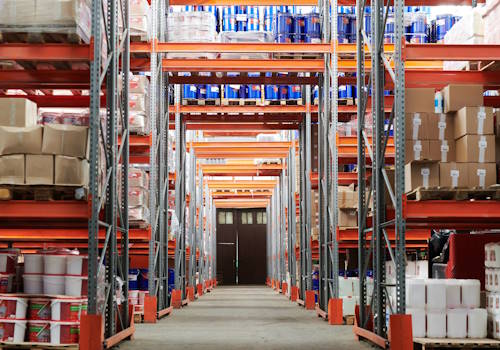
Strategically designing and organizing the layout of the warehouse to maximize operational efficiency. This includes determining the placement of storage areas, optimizing aisle layouts, implementing efficient material handling equipment, and ensuring proper signage and labeling. An effective layout enables smooth movement of goods, minimizes congestion, and enhances productivity.
Quality Control and Inspections
Incorporates quality control processes to ensure that incoming and outgoing goods meet specified standards. This may involve conducting inspections, performing quality checks, and identifying any damaged or defective items. By implementing quality control measures, warehouses can maintain high-quality standards and prevent the distribution of faulty products.
Warehouse Safety and Security
Prioritizing safety measures to protect personnel, inventory, and assets. This involves implementing safety protocols, providing appropriate training, maintaining equipment, and ensuring compliance with health and safety regulations. Additionally, warehouses employ security measures such as access control systems, surveillance cameras, and inventory tracking systems to prevent theft, unauthorized access, or loss of goods.
Data Management and Technology Integration
To streamline operations effective through data management and the integration of technology systems. This may involve using warehouse management systems (WMS) to track inventory, automate processes, and generate reports. It can also include utilizing barcode or RFID technology for accurate product identification and tracking. Effective data management and technology integration enhance efficiency, visibility, and decision-making within the warehouse.